
Therapy for Relationships & Cultural Identity in Oakland, CA
Move from the patterns that hold you back to genuine connection with those in your life

Affordable online therapy in Oakland and across California | Services for Bilingual English and Spanish speaking clients

You know your relationship patterns well and you can name them… But in the heat of the moment, your intellectual awareness doesn’t change how you actually react. Real shifts take place when we look beneath our impulses and understand the automatic survival strategies running the show.
This May Feel Familiar…
You feel a sudden, intense wave of panic or anger in your body that feels completely out of proportion to what is actually happening. A minor disagreement or a sideways look from your partner instantly triggers a racing heart, a tight chest, or a powerful urge to run away. Your logical brain knows you are safe in the room, but your nervous system is reacting as if you are facing an immediate threat.
You find yourself consistently over-analyzing and replaying interactions in your head. You spend hours after a minor disagreement scanning for signs of distance or disconnection from your partner. You scroll back through text messages and analyze word choices, desperately trying to figure out if you said too much or something wrong.
You manage everyone else's emotional temperature while losing track of your own. You automatically read the energy of the room and over-adjust your posture, tone, or opinions to keep the peace. You feel a wave of personal guilt whenever a partner or family member is upset, taking responsibility for fixing their mood.

You navigate the invisible friction of living between different worlds. You operate by one set of unspoken rules with your immigrant parents and a completely different set of rules with your partner. You feel stuck in the middle, constantly translating behaviors and feeling like you do not fully belong anywhere.
You feel a suffocating weight or intense guilt around setting boundaries with family. You feel a physical tightness in your chest when considering going low contact or navigating de-facto distance from family members. You feel like you’re pushed to sacrifice your own peace for the sake of maintaining equilibrium.
You are navigating the heavy, looping aftermath of a relationship ending. You sit in your car or lie awake at night trying to reverse-engineer your breakup. You find yourself analyzing the relationship’s meaning, mapping the patterns that became visible too late, and wondering why your prior self-reflection didn’t translate into a different outcome.
Start shifting the relationship patterns you keep finding yourself in. Reclaim your agency.
Many of the relationship patterns we experience in relationships didn’t start in our current partnerships. They grow out of family dynamics, cultural and social influences, and the ways we learned to cope with conflict, closeness, or difference.
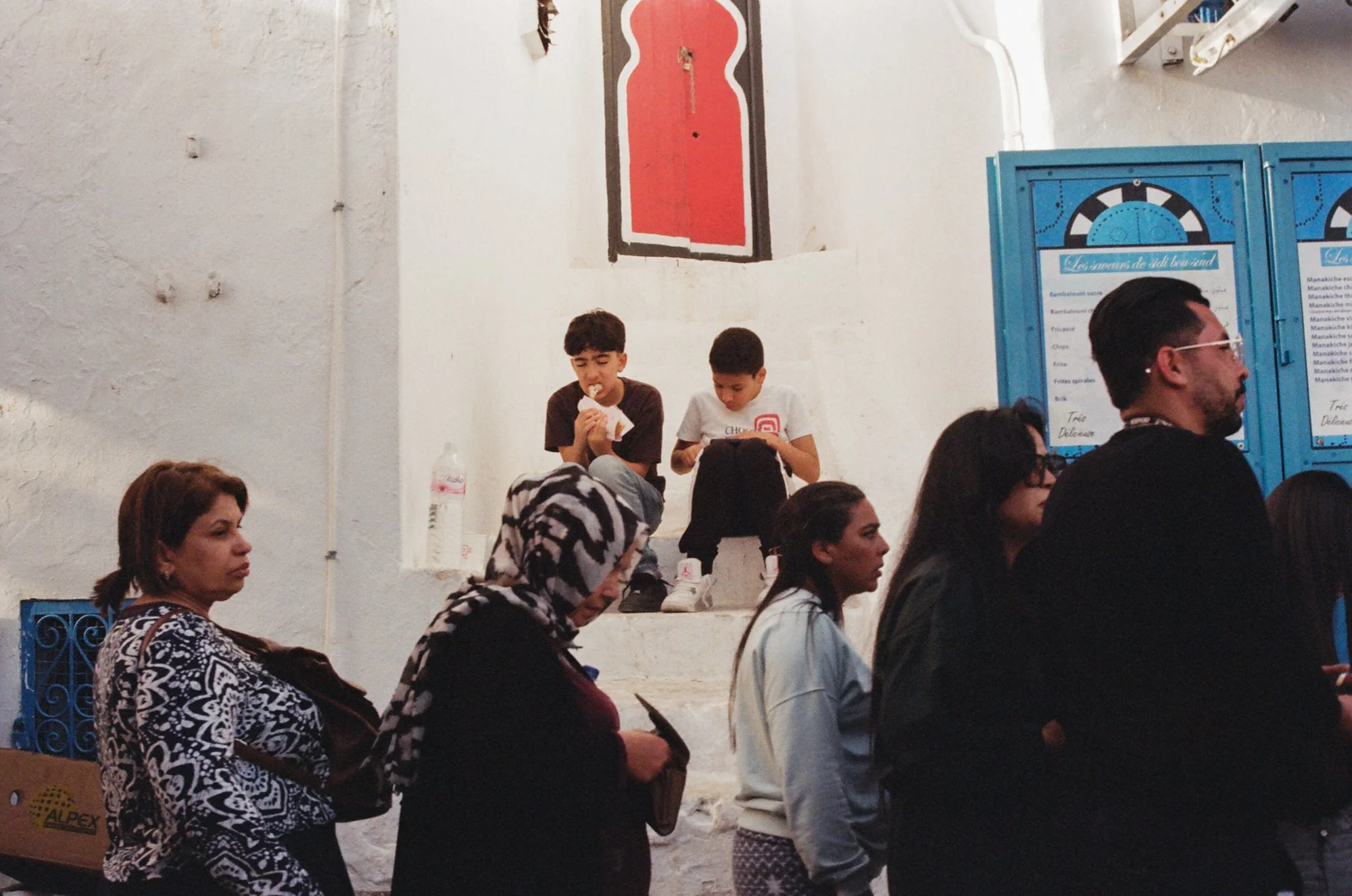
Together, we make these patterns visible so they stop feeling inevitable. From there, it becomes possible to relate with more clarity and intention - especially for those navigating the tension between cultural identity and their own way of moving through relationships.
The Communities and Clients I Serve

I offer therapy in Oakland and online for:
Second-generation adult children of immigrants
Men who want to improve their relationships
Bilingual English and Spanish speaking clients
Those looking for sliding-scale affordable therapy
If this resonates, click the button below to learn more about how I approach this work.

Meet Ariel: Second-Generation Relationship Therapist in Oakland, CA
My name is Ariel, and I am an Associate Marriage and Family Therapist specializing in relationship patterns. Because I spent much of my life navigating different cultural environments, I know firsthand what it means to live between different worlds and carry questions shaped by migration and family history.
My background in social movements, including supporting Palestinian liberation, immigrant rights, and fighting economic injustice, deeply informs my work. These experiences taught me that our private struggles do not happen in a vacuum. Larger social and historical forces constantly shape our everyday relationships, our ideas of what it means to belong, and the expectations we carry into our homes.
In our sessions, we slow these moments down to look closely at what is happening in real time. We map how you interpret interactions, what you feel pulled to say, and how patterns begin to unfold. As these habits become clearer, you can begin to respond with genuine awareness and move toward connections that feel completely authentic to who you are.
Ariel Golan, MA, AMFT #130101, Supervised by Nalini Calamur, LMFT #128469 | 445 Bellevue Ave Ste. 5, Oakland, CA 94610 | 510 519 1046
Therapy Services I Offer
in Oakland and online
Individual Therapy for Relationship Issues
For individuals who want to understand themselves more deeply to improve their relationships. This is helpful for those navigating relationship conflict, communication issues, and those who are already in couples therapy seeking additional individual support. We'll identify what’s keeping you stuck and access the vulnerable emotions underneath.

Therapy for Friendship Problems
For those navigating friendship conflict, distance, or friendship breakups. This work helps you understand shifting relational dynamics, process grief and loss, and make sense of your identity outside of romantic relationships. Together, we explore how your values, boundaries, and relationship patterns shape your friendships and support healthier, more fulfilling connections moving forward.

Therapy for Breakup Recovery
For those who are recovering from a breakup, separation, or uncoupling. This work helps you process grief and loss, understand repeating relationship patterns, and make sense of who you are and what you want moving forward. We focus on rebuilding your sense of self, gaining clarity in relationships, and moving toward healthier connections in the future.

Therapy for Family Conflict and Estrangement
For individuals experiencing difficult relationships with family members, whether they remain in contact, have limited connection, or are fully estranged. The process focuses on understanding family conflict, relational roles, boundaries, and value conflicts, while helping you develop greater agency in how you relate to family, regardless of the level of contact.
Couples & Relationship Therapy
For couples experiencing relationship conflict, lack of emotional disconnection, or uncertainty about how to move forward, including those in both monogamous and non-monogamous relationships. Using EFT, we lean into your relational patterns in real time so you can move away from blame and toward greater clarity, connection, and intention in your relationship.

EMDR Therapy
For those who feel the lasting impact of difficult experiences, whether from single-incident trauma, relational wounds, or challenges in childhood. EMDR uses bilateral movement to process memories that still feel present. When your partner touches a wound from your past, you react to what happened then, not what’s happening now. EMDR helps your nervous system know the difference.

My clinical practice utilizes and integrative approach, using theory I explored at The Wright Institute with community-rooted mental health experience and specialized trauma care. Click here to learn more about my approach, credentials, and specialized trainings →

Frequently Asked Questions
-
I work with both. Individual therapy focuses on your relationship patterns and how you show up with others. I also offer couples therapy for partners who keep having the same arguments and want to break the cycle. If you're unsure which is the right fit, we can start with a consultation to talk through it.
Therapy helps you understand what’s happening in those moments and build the ability to stay more present and engaged without becoming overwhelmed. Over time, this can make it easier to communicate more clearly and respond in ways that feel more intentional. Affordable and sliding scale sessions provided.
-
Yes. I use EMDR to help process experiences that continue to affect you in the present. This can include difficult memories, relationship wounds, or moments where you felt stuck or overwhelmed. EMDR uses bilateral movement, like eye movements or tapping, to help your nervous system move through what couldn't be fully processed at the time. The process follows clear stages. We start by building grounding skills, then identify target memories, and move through reprocessing at a pace that feels manageable. Many people find that EMDR helps them feel less pulled by the past and more able to respond with choice in their current relationships. I provide EMDR at an affordable sliding scale rate that can be difficult to come across in the world of private pay therapy.
-
Yes. Breakups often bring up old wounds and patterns we thought we had moved past. You learned that being alone means you failed, but now you're seeing this as a chance to understand yourself differently. We work through the grief, make sense of what happened, and help you move forward with more clarity about what you want in future relationships.
-
Yes. A lot of my work is with people navigating the space between their family's culture and the world they live in now. You were taught to prioritize family above all, but now you're trying to figure out where you end and they begin. You learned that speaking up is disrespectful, but now you're finding your voice. You were taught to keep the peace, but now you're realizing that honesty matters too. We explore how these tensions show up in your relationships and help you move from old patterns to genuine connection.
-
Yes. I offer therapy in both languages and welcome Spanglish. Many bilingual clients find it helps to express themselves in the language that feels most natural in the moment. I work with clients navigating bicultural identity, code-switching, and the unique tensions that come with moving between worlds.
-
Yes. Healing doesn't require reconciliation. Some people choose to rebuild relationships with family, others create distance, and many find a middle path. My role is not to push you toward any outcome but to help you understand what you want and why. You were taught that family comes first no matter what, but now you're realizing that safety and peace matter too. We work together to find a path that honors your needs and values.
Begin your relationship therapy journey today.
Use this form if you are interested in a free 20 minute consultation or if you want to learn more about the types of relationship therapy offered. Affordable and sliding scale options available. You can also send an email to ariel@therapysecure.com or leave a voicemail at 510 519 1046. I aim to respond to all inquiries within 48 hours.