Therapist for Relationship Patterns in Oakland, CA
A Cultural Lens for Relationship and EMDR Therapy

You replay interactions in your mind, wondering if you’re “doing relationships wrong.” Part of what makes it so confusing is that the expectations aren’t always coming from just one place.
Having grown up navigating different cultural environments, I understand how these patterns take shape from the inside, and I bring that perspective into the room in how we make sense of your relationships together.
I’m a therapist that specializes in helping people understand their relationship patterns, and I work with clients in Oakland and across California. I help people understand how their relationships, whether romantic partnerships, friendships, or family, are shaped by upbringing, culture, and past experiences.
If you’re here, you may feel like you’ve been stuck cycling through familiar patterns, overthinking interactions, or pulled between different expectations of who you’re supposed to be. In our work, we slow these moments down and begin to shift these patterns so your relationships feel clearer, steadier, and aligned with who you are.

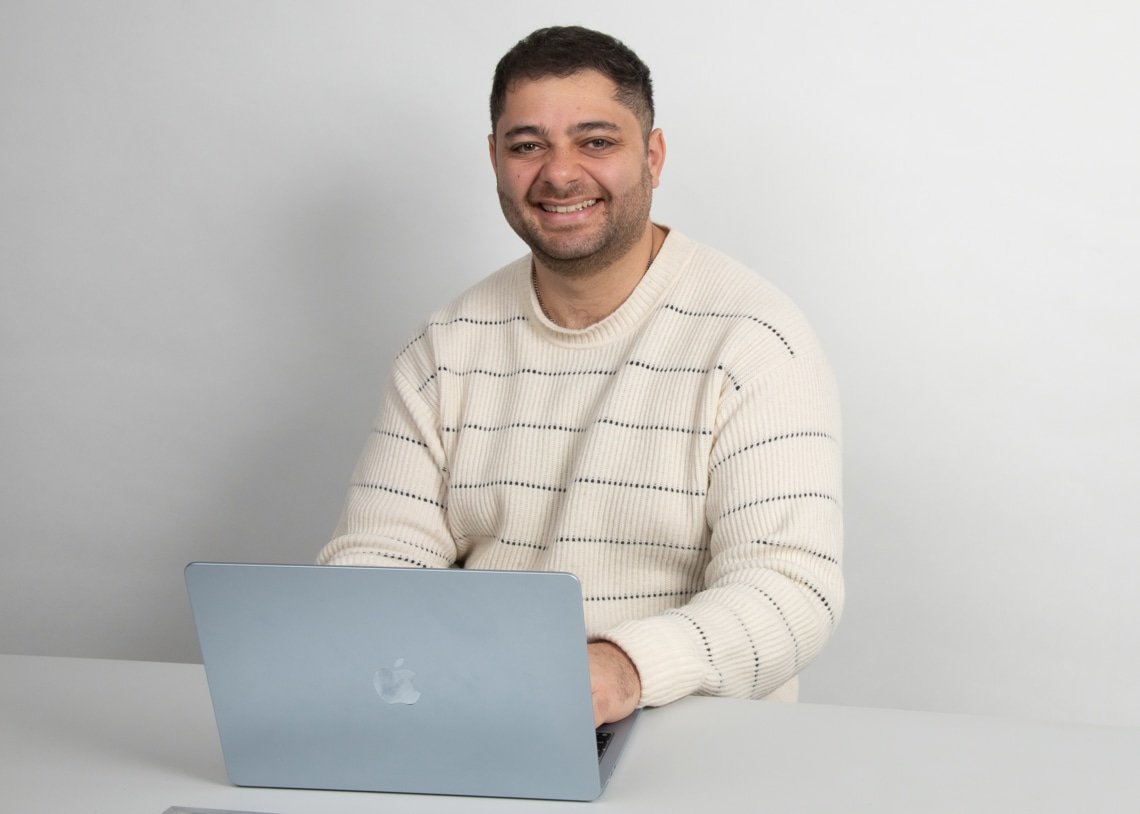
Meet Ariel: Oakland Therapist for Relationship Patterns, Breakups, and Conflict
I understand what it means to track the influences of multiple cultures and environments, and to live with unanswered questions that can emerge through the experience of migration and assimilation. These experiences continue to shape how I approach questions of identity, relationships, and belonging in my work with clients.
I’m a man of Moroccan and Tunisian Jewish descent who grew up navigating the space between my parents’ experiences and my own life. Over time, I’ve learned what it means to move between the culture and environment I grew up in and the values and perspectives I’ve come to embrace in adulthood, which diverge in meaningful ways from those I was raised with. This ongoing experience of navigating difference has shaped how I understand the ways identity, family history, and social context influence how we relate to ourselves and others, especially in moments of closeness, conflict, and belonging.
My experiences in activism, including supporting immigrants’ rights, economic equality, and the movement for Palestinian liberation, were an entry point into understanding how larger political and historical forces shape our inner and relational lives. This has included developing an anti-Zionist perspective, along with other ways of understanding identity and history that challenge dominant narratives. It has also deepened my awareness of how experiences such as displacement, colonization, assimilation, and intergenerational trauma shape the messages we receive about relationships. In other words, how we understand closeness, responsibility, conflict, and belonging.
I’ve seen how these forces can create real tension within relationships, where different expectations, loyalties, or parts of oneself don’t fully align, and where there isn’t always a clear or simple way forward. In therapy, we slow these moments down together, look closely at what’s happening in real time, how you make sense of it, and the patterns that begin to unfold between you and others.
From there, we work with those patterns directly. Trying new ways of responding, sitting with the discomfort that change brings, and building something more solid over time.
This might feel familiar…
you notice yourself agreeing to things that don’t fully feel like you, and only afterward realize you said more than you meant to or didn’t say what you actually wanted.
when something feels tense or emotional, you might go quiet, pull back, or need space, or find your mind speeding up as you try to figure out what to say and how to say it.
conversations either escalate quickly or seem to stall out, and afterward you find yourself replaying what you said, what you didn’t say, or how it all unfolded.
you’re used to reading between the lines, managing reactions, or keeping the peace, especially if you grew up navigating different expectations at home and outside of it.
These patterns often show up across different types of relationships, whether with partners, friends, family, or in the way you reflect on a breakup.
This is where I come in.
My Approach, Credentials, and Specialized Trainings
My approach is collaborative and grounded in helping you understand what’s happening in real time. In our work together, we slow these moments down so you can notice the hesitation before speaking, the pull to keep the peace, or the urge to withdraw when things feel tense.
From there, we begin to explore where these patterns come from and how they’ve been shaped by your relationships, culture, and past experiences. As these patterns become more visible, you can start to respond with more clarity and intention rather than reacting automatically.
Here are the evidence-based modalities and foundational trainings that shape this work:
-
Earning my Master of Arts in Counseling Psychology at The Wright Institute deeply anchored my practice in psychodynamic theory. We will examine early experiences and family dynamics to understand how they continue to shape your current thoughts, behaviors, and relationships.
-
First introduced to narrative theory in my Wright Institute family therapy coursework, I developed this framework through community mental health work with immigrant youth and monolingual Spanish-speaking families. I use Narrative Therapy to help you externalize problems, separating your core identity from the challenges you face.
-
My experiential approach is heavily informed by my background in community mental health, combined with specialized clinical supervision and Emotionally Focused Therapy (EFT) training. I integrate this with systemic parts work to help you safely engage with your inner world while underlying relational patterns in real time.
-
I integrate Eye Movement Desensitization and Reprocessing (EMDR) to help process past traumas and stressful events that continue to show up in your present life. This trauma-informed care helps your nervous system move through stuck places so you can feel more grounded.
-
I utilize practical tools to help you manage emotions, tolerate distress, and navigate challenging relational situations. My framework is built on comprehensive DBT skills training created and presented by Dr. Marsha Linehan.
-
I am an active member of the California Association of Marriage and Family Therapists (CAMFT) and Bay Area Open Minds, a network of psychotherapists specializing in sexual and gender diversity.
As a Registered Associate Marriage and Family Therapist (AMFT #130101), I practice under the advanced clinical supervision and employment of Nalini Calamur, LMFT #128469. This means your care directly benefits from regular clinical consultation infused with advanced frameworks, including Internal Family Systems (IFS), and Sensorimotor Psychotherapy.
If you’re located in Oakland, the East Bay, or anywhere in California, reach out for a free consultation to learn more about working with me
Who Do I Work With?
Adult Children of Immigrants (Second-generation)
Many of my clients feel pulled in different directions by familial obligations, cultural expectations, and their own desire for more freedom, choice, and ease in their relationships. This is especially true for those in cross-cultural relationships. Our relationship patterns are often shaped by the environments we grew up in, the cultures we come from, and the ways we learn to adapt. For example…
You find yourself translating between your partner and your family, hitting a wall when you realize no one really understands either side.
In the weeks after a breakup, you wake up with that familiar emptiness, wishing they could have just tried harder to understand your world.
Your friend says you’re “too direct,” and you find yourself stuck on that phrase and wondering whether it might be easier to just take space.
Before visiting family, you rehearse every conversation in your head. You feel your chest tighten as you anticipate their reactions before you even arrive.
During an argument, you catch yourself clenching your jaw or holding back tears, feeling stuck in a painful cycle that feels bigger than the moment.

Men Navigating Love, Family and Friendships
Many of the men I work with want to show up as caring, dependable, and present, yet feel frustrated or disconnected in their relationships. Using a culturally informed framework in relationship therapy, I help men examine how they absorb messages from their broader social context and how that shapes the way they show up in relationships. For example…
You plan a thoughtful evening or check in just like a “good” partner should and still feel your efforts bounce off a wall of distance.
When tension rises, you find yourself trying every way you can to fix the problem, just to be met with frustration from your partner.
You spend time with your friends talking about everything except what’s actually weighing on you, and find yourself wondering how connected you really feel to them.
When you’re around your family, you notice yourself staying quiet or changing the subject. Afterwards, you’re left with that familiar feeling of distance you’re not sure how to close.
After a breakup, you wake up thinking about that last conversation or the moment things fell apart, and the thoughts follow you through the day no matter how much you try to focus on other things.
Bilingual Clients Moving Between Spanish and English
Some things only come out in the language you grew up in, especially when navigating cultural differences in relationships. If part of your inner life has been living between languages, therapy doesn’t have to flatten that experience. As a therapist who learned Spanish specifically for therapeutic work, I work with bilingual clients who are generally fluent in English but may shift between English and Spanish in session when it helps express what feels most important in the moment.
What Values Do I Bring to This Work?
Cross-Cultural Awareness
Many of the people I work with have learned to navigate different cultural environments, each with its own expectations, communication styles, and ways of relating. What feels natural in one space may not translate easily to another. Together, we make sense of how these experiences have shaped you so you can move through your relationships with more clarity, flexibility, and choice.
Living in Alignment
Ways of relating that once helped you adapt to different environments may no longer fit the life or relationships you want now. These patterns often developed for a reason, shaped by what was needed at the time. This work is about integrating those parts of yourself so your way of relating feels more intentional rather than pulled in different directions depending on the context.
Relational Awareness
Many of the patterns that show up in your relationships began long before your current ones. The ways you learned to handle conflict, closeness, and difference often reflect your early environments. Together, we bring these patterns into clearer view so they feel less automatic and more open to change, creating space to respond with greater awareness and intention.
Intentional Relating
Meaningful change happens when you have the space to slow down and notice how you’re relating in real time. We pay attention to the moments where patterns tend to take over, especially in situations that feel tense or uncertain. Over time, this creates the possibility of responding with more choice and relating in ways that feel more steady, authentic, and aligned with who you are.